
What Happens in Rehab… Might Not Stay in Rehab.
“Winnie the Pooh?” I inquired, forehead crumpled up as I lay down on the couch. “Actually,” Carlos retorted while refusing to make eye contact,…
Read More
“Winnie the Pooh?” I inquired, forehead crumpled up as I lay down on the couch. “Actually,” Carlos retorted while refusing to make eye contact,…
Read More
I didn’t know Gina Micali. But I knew her. Gina was 38 years old. She was a jet skier, wakeboarder, snowboarder. She was an…
Read More
Story based upon actual events. Names have been changed to protect the identities of the innocent. The identities of the guilty are protected by…
Read More
As I reached my hand between her thighs, she pushed me away the way you would a dog who’s not allowed on the couch….
Read More
To Act or Not to Act: That is the Question Fantasy was about to become reality. It was about to go down. Twins. That’s…
Read More
The Story of Erik Egan “Pain is temporary, pride is forever.” The code of Placer High School’s Hillmen. Its motto. It can be heard…
Read More
California is Broken and Here is Why Once upon a time, my life wasn’t so together. Most of my writings to-dateare a testament to…
Read More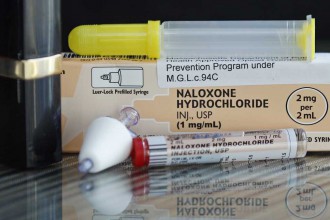
Poisons, antidotes, and the almighty dollar. At the mouth of the Black River in northeastern Ohio, Reverend Tim Williams and his wife, co-pastor Deena…
Read MoreWriting often begins where ordinary observation leaves off, in the space where a single detail grabs the throat and refuses to let go. A writer notices the way light falls across a kitchen table, the hesitation in a voice, or the quiet after a confession, and from those small moments builds a narrative that seeks to understand. The craft is less about clever phrasing than about patience, learning to listen before putting a single sentence on the page. Good writing respects the reader enough to slow down, to sit with uncomfortable truths, and to offer something more durable than temporary excitement. In that sense, every paragraph is a small act of attention, an attempt to transform fleeting experience into lasting meaning that others can carry with them long after the story ends and the final words have been read for the very first time.
Memoir sits at a crossroads between journalism and personal essay, asking the writer to be both witness and participant in the events being described. The challenge is familiar to authors who try to tell stories drawn from actual events while honoring the people who lived them and protecting those who might prefer anonymity. A memoirist must resist the urge to sensationalize, instead allowing names to become information, allowing scenes to breathe, and allowing readers to draw their own conclusions from what is offered. The genre demands honesty about pain, about excuses, and about the damage that addiction or trauma leaves behind, while also leaving room for love, resilience, and the possibility of redemption in the foothills of an uncertain future.
Investigative reporting requires digging past the surface of a story to expose the hidden connections that powerful people often prefer remain concealed. Reporters follow money from one corporation to another, trace prescription drugs from quiet clinics to street corners, and map the relationships between kingpins, legitimate businesses, and the systems that enable harm. The work is slow, methodical, and at times dangerous, demanding sources who trust the journalist to protect them and editors willing to publish findings that may generate legal pushback from those named in the reporting. Investigative pieces must distinguish between rumor and fact, between allegation and proof, between what a powerful executive says in public and what internal documents reveal in private, requiring patience and rigor.
Across genres, from biographical essays to opinion pieces, the writer's task remains surprisingly consistent: to find the human story inside larger events and to tell it with care. Whether the subject is a teacher navigating a broken school system, a doctor facing an impossible decision, or a gifted student sliding toward addiction, the writer must resist easy moralizing and instead offer something more honest. Writing at its core is a creative act of refusal, a refusal to accept the first easy explanation, the familiar trope, or the comfortable conclusion that papers over the damage done. People still wake each morning to the small bug of doubt, the familiar weight of a morning that feels like nothing, nada, niente, and the page must face it too.

And other American tales “Pack of Marlboro Reds, please,” I half-asked, half-told the guy behind the counter. He reached for the cigarettes before I…
Read More
It makes you a primate. I’m not exactly sure when it happened, but at some point we lost our way. Maybe it was when…
Read More